
Crane Moving for HVAC Units and Rooftop Equipment in Manhattan, NY
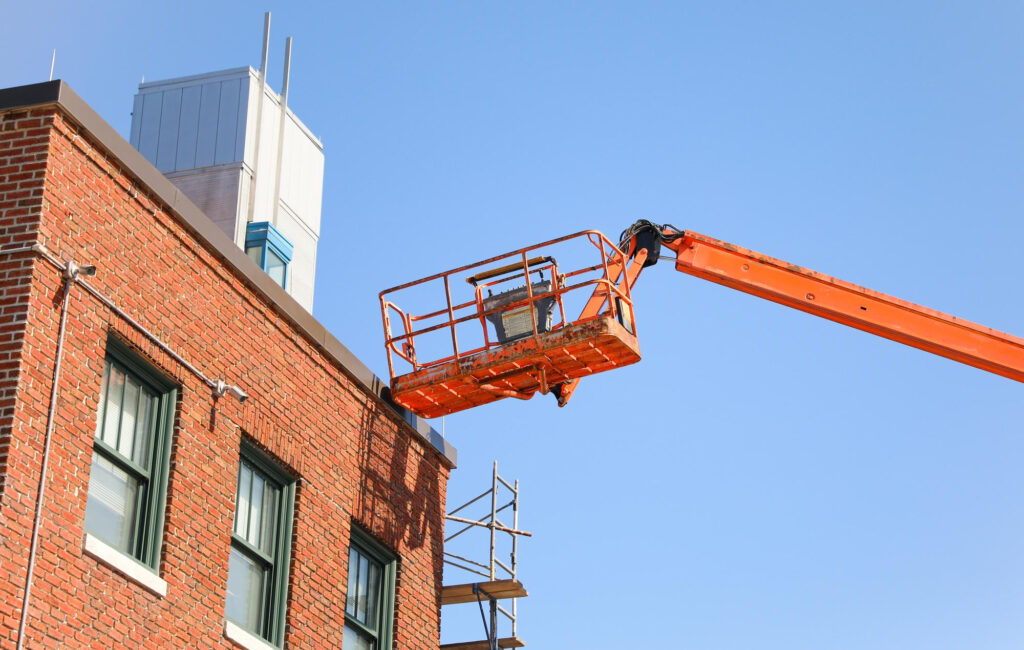
Many rooftop HVAC units in Manhattan go up and come down by crane, because they are too heavy for the freight elevator and too large for the bulkhead door or roof hatch. A crane sets the new unit and removes the old one in the same lift window, while the mechanical contractor handles every disconnection and hookup.
We run Up N Go Moving & Storage out of Long Island City, NY, and rooftop mechanical equipment is one of the project types our crane service for oversized items covers. Our part is the lift plan, protection, preparing the unit, the move between the truck and the roof, and coordination with the building, all quoted as one flat-rate job.
Why Rooftop Equipment Goes Up by Crane
Weight is usually the deciding factor. A rooftop condenser or packaged unit can weigh more than a freight elevator is rated to carry, and even when the weight works, the last leg to the roof often runs through a narrow bulkhead stair or a hatch built for a person with a toolbag.
Size does the rest. Many Manhattan roofs were built with access sized for maintenance visits, not for equipment the size of a small room, so a crane over the parapet is the practical route. Replacement units are often larger than the ones they replace, and the lift plan has to account for the new footprint and the old unit coming down.
Who Does What on an HVAC Crane Lift?
An HVAC lift brings several trades onto one roof, and each has a defined lane. The mechanical contractor shuts down and disconnects the old unit, handles refrigerant and electrical work, and connects the new one.
An engineer confirms the roof or dunnage can carry the load where the job calls for it, a rigger with the right Department of Buildings license class oversees the hoist, and the crane operator runs the machine.
Our crew covers the moving side: protecting the route, preparing the unit for the lift, and moving equipment between the truck, the building, and storage. That is the same kind of work behind crane lifts for heavy machinery such as commercial kitchen and industrial equipment, and one coordinator in our Long Island City, NY office keeps every trade on a single schedule.
What Has to Be Ready Before Lift Day?
Rooftop lifts fail on the ground, not in the air. A missing permit, an unapproved lift time or a unit that has not been disconnected can cancel the crane after it arrives, which is why the plan starts weeks ahead in Manhattan. Each of those problems is cheaper to solve a week out than on the curb.
We settle each of these before the crane is booked.
- Disconnection: the contractor’s date for shutting down and disconnecting the old unit.
- Roof support: curbs, rails, or dunnage ready for the new unit, with engineering sign-off where required.
- Street permit: city approval for the crane’s position, with Manhattan’s added review.
- Building approval: lift hours, tenant notices, roof access and a Certificate of Insurance.
- Unit data: weight, dimensions, and lifting points from the manufacturer’s sheet.

Many buildings prefer the lift on a weekend or early in the day, when tenants and street traffic are lighter, and our crane lifts can run overnight, on weekends or on holidays. If the new unit arrives before the roof is ready, our climate-controlled NYC storage facility holds it until the date you choose.
Plan the rooftop lift around your contractor’s schedule. Send us the unit model, the building address, and the contractor’s timeline, and we will map the crane plan to them.
How Is the Unit Rigged and Set?
Mechanical equipment is rigged from its own lifting points. Many units have manufacturer lifting eyes, and where they do not, the rigging wraps the frame rather than the housing so the casing and coils are not crushed. The load has to hang level, with its center of gravity under the hook, before it leaves the street.
Tag lines keep the unit from turning as it passes the facade, and the landing team on the roof guides it onto its curb or rails. On replacement jobs, the old unit usually comes down in the same window, so the crane only sets up once, and roof membranes and pavers along the landing path get protection. Once the unit is set, the contractor takes over for the hookups.
How Is an HVAC Crane Lift Priced?
Every crane job gets a flat rate set before lift day, so the number does not change if the street is slow or the building is busy. The price we quote is the price you pay, and it reflects the work involved rather than hours on the clock.
The rate is based on volume, mileage, and special considerations, and on a rooftop job those considerations usually include the unit’s weight and size, the roof height, the crane’s reach, street and building access, and the permit path.
A small condenser on a low roof off a quiet side street and a large air handler on a tall building along a busy avenue are two different jobs, and our breakdown of crane costs by project type shows how those factors play out.
Most quotes come back the same day once we have the unit data and the address. We have served New Yorkers for 15+ years with in-house crews covered by Workers’ Compensation.
Get the lift priced before the contractor’s date is set. Call (212) 744-6683 or send the unit details through our quote form, and our team will plan the crane, the permits, and the building around your replacement.
Related Topics: