Restaurant Relocation in NYC: Moving Kitchen Equipment Without Violations
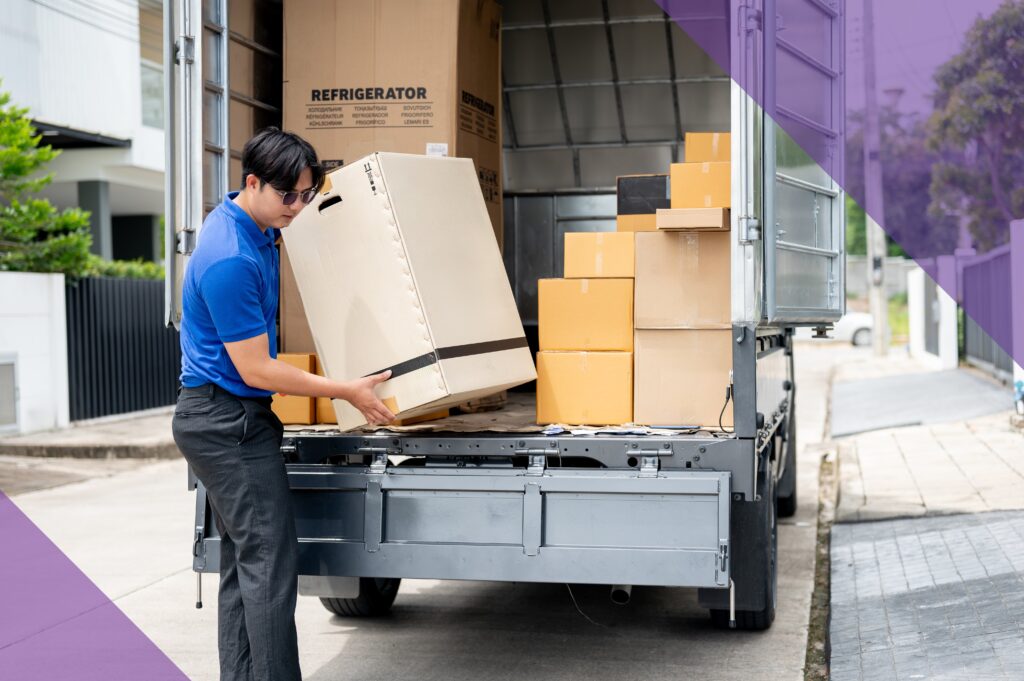
Moving a restaurant in New York City comes with a set of headaches you won’t find in most other commercial relocations, and if you’ve ever tried planning one, you already know why the process demands more than a truck and a few strong backs. This is where fast moving services really earn their keep, because success here depends on more than hauling heavy equipment from one address to another.
You’re dealing with tight building access rules, strict health department deadlines, and kitchen equipment that’s often costly, hard to source again, and built specifically to fit the layout it’s currently sitting in. A mistake at any point in that process rarely stops at a dented fryer or a scratched cooler. It can push back your reopening date, cause you to fail an inspection, or leave you covering repair bills that pile up faster than expected.
Our restaurant equipment moving service exists to handle every one of those risks well before a single item gets loaded onto the truck.
Why Restaurant Equipment Moves Are Different
A standard commercial move involves furniture, workstations, and office equipment, items that are heavy and awkward but ultimately built to travel. Commercial kitchen equipment is a different category entirely. Commercial ranges can weigh several hundred pounds and have gas line connections that need to be properly disconnected before the unit can be moved. Walk-in cooler components are often assembled in place and require disassembly before they can come out of a building. Dishwashers and prep stations are plumbed in, which means a clean disconnect is part of the job, not an afterthought.
None of this is something you want a general moving crew figuring out as they go. The risk of damaging the equipment, the connections, or the building itself is real. Our crews have the experience and the tools to handle commercial kitchen disconnects properly, and we coordinate with your contractors and vendors when gas or plumbing work needs to happen before we can move something.
The Equipment That Requires Special Handling
Most commercial kitchen equipment falls into one of a few categories when it comes to how the move gets handled. Heavy stationary pieces, including commercial ranges, refrigeration units, fryers, and grills, need to be leveled and secured during transport so they don’t shift. They also often require crane access if the kitchen is in a basement or a space that doesn’t have freight elevator access large enough to accommodate the unit.
We use crane moving service for kitchen equipment that can’t go through standard building access. This comes up more often than people expect. A lot of NYC restaurant kitchens are in lower floors or basement spaces with narrow stairwells, and getting a commercial refrigerator out of one of those spaces without crane capability often isn’t possible.
Fragile pieces like bar equipment, speed rails, and custom fabricated fixtures also need special attention since they’re frequently built to fit a specific space and can’t be sourced as replacements off a shelf.
NYC Building and Health Department Considerations
One thing that catches restaurant owners off guard during a relocation is how much the building and regulatory side affects the timeline. Your new location’s health department inspection has to happen before you can serve food, and the kitchen has to be set up and clean for that inspection. That means the move has to be timed carefully so setup is complete and the space is ready well before your target opening date.
Building management at both locations will have requirements about moving hours, COI documentation, and how freight access is used. In Manhattan and many Queens commercial properties, there are strict rules about when heavy equipment can be moved through common areas. We coordinate all of this in advance so the move schedule reflects the real constraints of both buildings, not just what would be convenient on paper.
How Scheduling Works for a Commercial Kitchen Move
Restaurant relocations almost always need to happen in a tight window, tied to a lease end date on one side and an inspection or opening date on the other. We build the move schedule around those constraints from the start. That means knowing your disconnection timeline, confirming freight access at both locations, and building in enough buffer for any delays without pushing past your opening target.
For operators who need to store equipment between locations because of a gap in the lease overlap or because the new space isn’t ready yet, we offer storage services that keep your equipment secure while you wait. This is a much cleaner option than trying to store commercial kitchen equipment in a rented container on the street, which creates its own set of city permit complications.
Protecting Equipment During Transport
Commercial kitchen equipment is heavy and solid, but it’s not invulnerable during transport. Stainless steel surfaces scratch easily. Glass doors on display refrigerators break. Equipment with electronic controls, like modern ranges, combi ovens, and blast chillers, can be damaged by vibration if it’s not secured properly in the truck.
We use proper rigging and tie-down methods for heavy equipment, and we wrap surfaces that are vulnerable to contact damage during the load and unload. For fragile components or custom fabricated pieces, custom wooden crating is available to protect them during transport. Everything is inventoried before and after the move so both sides of the job are documented.
Getting Your Kitchen Set Up Correctly at the New Location
The move doesn’t end when the truck pulls up to the new address. Getting a commercial kitchen functional again means placing equipment in the right spots, positioning heavy pieces precisely so plumbing and gas connections align, and making sure everything is level and stable before your contractors come in to reconnect utilities.
We work alongside your contractors on this. Our crew positions the equipment exactly where it needs to go, which saves your plumber and gas tech time and reduces the chance of a reinstallation issue that delays your inspection. We also handle furniture moving for the dining room and front-of-house pieces as part of the same job, so you’re not coordinating multiple vendors for what should be a single relocation.