Crane Moving Restaurant Fixtures Into Upper-Floor Spaces in Manhattan, NY (Bar Units, Booth Seating, and Large Fixtures)
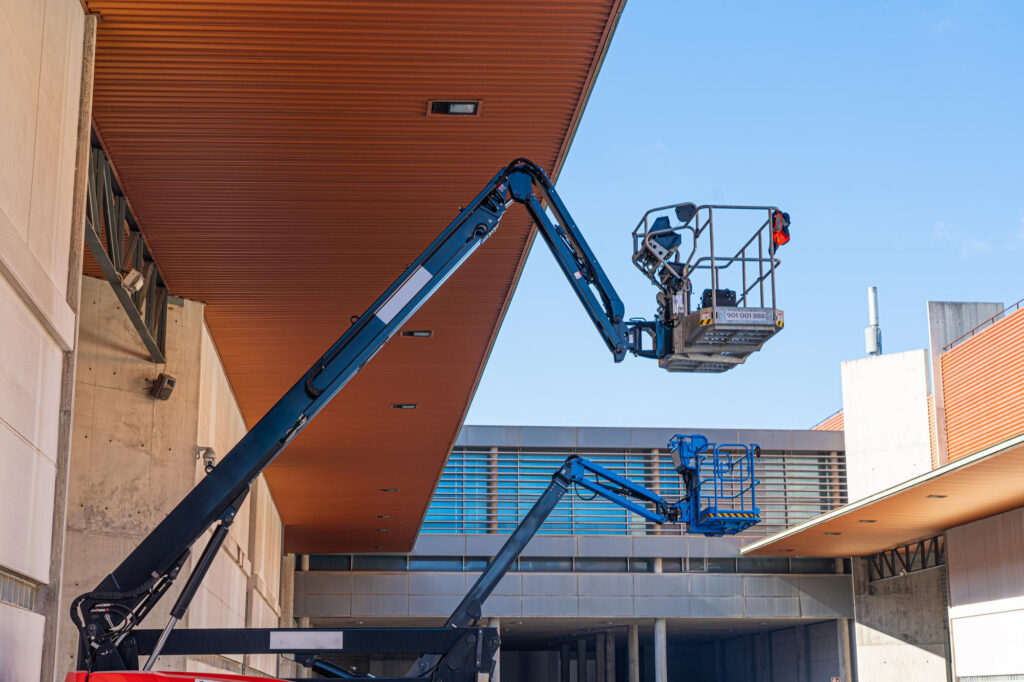
Bar units, booth seating, and large fixtures for upper-floor and rooftop restaurants in Manhattan go in by crane when they cannot fit the freight elevator, the service stairs, or the turn into the dining room. The lift usually happens late in the fit-out, through a removed window or over a terrace rail, and it has to land before the finishes, inspections, and opening date that follow it.
Restaurant equipment and restaurant furniture are both part of what we move at Up N Go Moving & Storage, and upper-floor fixtures bring that work together with our crane lifts, permits, and rigging. We plan the lift with your contractor and the building, protect the route inside, and quote the job at a flat rate before the crane is booked.
Why Upper-Floor Restaurants Need a Crane
Restaurant fixtures are built for the room, and upper-floor rooms in Manhattan are rarely reached by a route that matches. A back bar made as one run, a curved banquette or a refrigerated display case can clear the dining room door and still be too long for a small freight car or a stairwell with two landings.
Many buildings add another limit, because the service route passes through lobbies and corridors shared with other tenants. Carrying a heavy fixture through those areas during business hours is often off the table, and some buildings restrict freight elevator use to set hours. The outside of the building becomes the cleaner path for the pieces that matter most to the design.
Which Fixtures Are Too Big for the Inside Route?
Stone and glass pieces top the list. Marble or quartz bar tops, back-bar mirrors, and glass display cases are heavy, hard to tilt, and easy to crack, so they travel crated or framed upright, padded, and rigged so no strap bears on an edge. Our guide to lifting glass, marble and stone goes further into how those pieces are handled.
Bar dies, and back bars built as long single units, booth seating made in long runs, host stands, decorative screens, and large light fixtures follow close behind. Where a fixture can come apart without damage, breaking it down and carrying it inside is usually the better plan, so the crane only handles what has to go outside.
Planning the Lift Around Your Opening
The opening date sets everything else. Fixtures that go in too early sit in the way of plumbing, electrical, and finish trades, and fixtures that go in late put the inspection schedule at risk. Many owners set the lift after the shell is closed in and before final finishes, and our plan works backward from that date.
These details get settled before we book the crane.
- Fixture list: dimensions, weights, and which pieces arrive whole or in sections.
- Opening: the window, door, or terrace rail each fixture passes through, and who removes it.
- Street permit: city approval for the crane’s position, with extra review in Manhattan.
- Building approval: lift hours, the COI, and rules for shared lobbies and corridors.
- Trade timing: when the contractor needs each fixture in place for hookups.
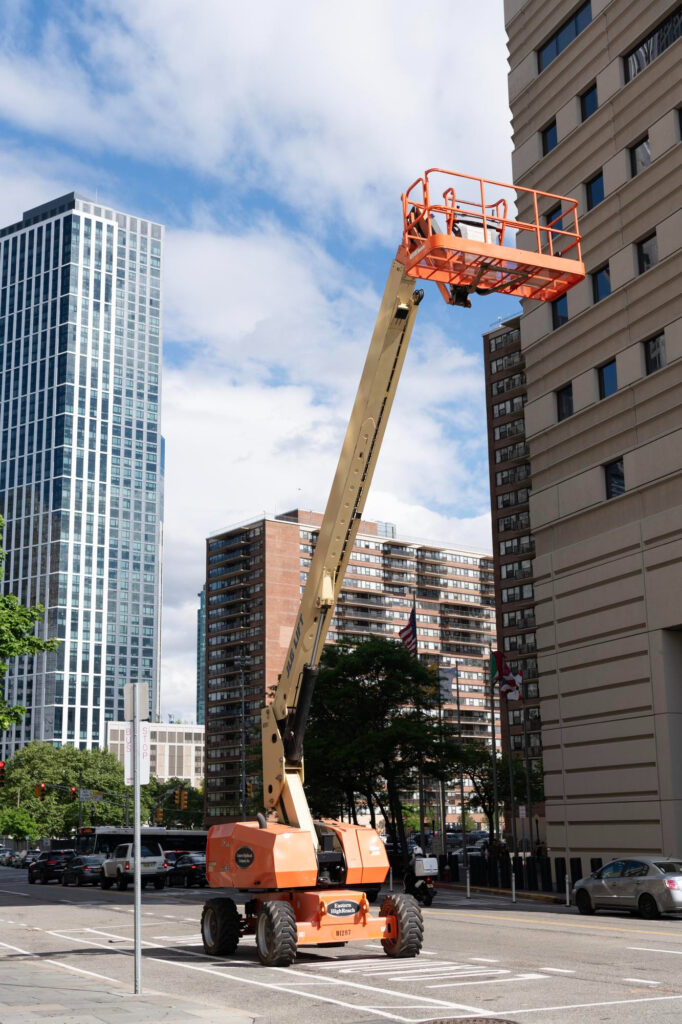
Restaurant moves can be scheduled overnight, on weekends, or on holidays, which keeps neighboring tenants and nearby businesses running, and we offer all three. When the room is not ready on lift day, fixtures can wait in our climate-controlled NYC storage facility and return on the date you choose, clear of dust and trade traffic while the finishes go on.
Lock in your fixture lift before opening week fills up. Send us the fixture list, the floor, and your target opening, and we will plan the crane and the inside move around them.
Moving Fixtures From the Window to Their Final Spot
Getting through the window is half the job. Once a fixture is inside, it still has to cross new flooring to its final position on dollies and panel carts, over protected floors and through doorways that leave little room to turn. Tight kitchen corridors and bar wells are where scrapes tend to happen, so the route gets measured before lift day.
Upper floors in older buildings come with weight limits that heavy stone and refrigeration pieces can test, and our article on floor load limits for kitchen equipment explains how structural checks fit into that planning. Gas, plumbing, and electrical hookups are trade work in NYC, so plan for your contractor’s plumber and electrician to connect each fixture once it is in position.
Keeping the Fixtures and the Room Protected
A new restaurant interior is full of finished surfaces that are easy to mark, and a gouged floor near the bar can hold up the final walk-through and the opening behind it. Before the lift, our in-house crew lays floor runners and sets corner protection, door jamb pads, and railing covers along the route from the window to the bar.
Fixtures are wrapped, and stone, glass, and carved wood can go into custom wooden crates when the piece calls for it. Our crews work out of Long Island City, NY, and every crew member is background-checked, trained, and covered by Workers’ Compensation. We provide the COI your building requires, and we have served New Yorkers for 15+ years without brokers or subcontractors.
In a Google review, Amanda Petrizzo said “the flat rate pricing made everything straightforward with no surprises.”
Bring your bar and booths in without pushing back the opening. Call (212) 744-6683 or request a quote through our website, and our team will plan the crane lift and the inside move around your fit-out.
Related Topics: