
Crane Moving Safety Protocols in Manhattan, NY: What Protects Your Property
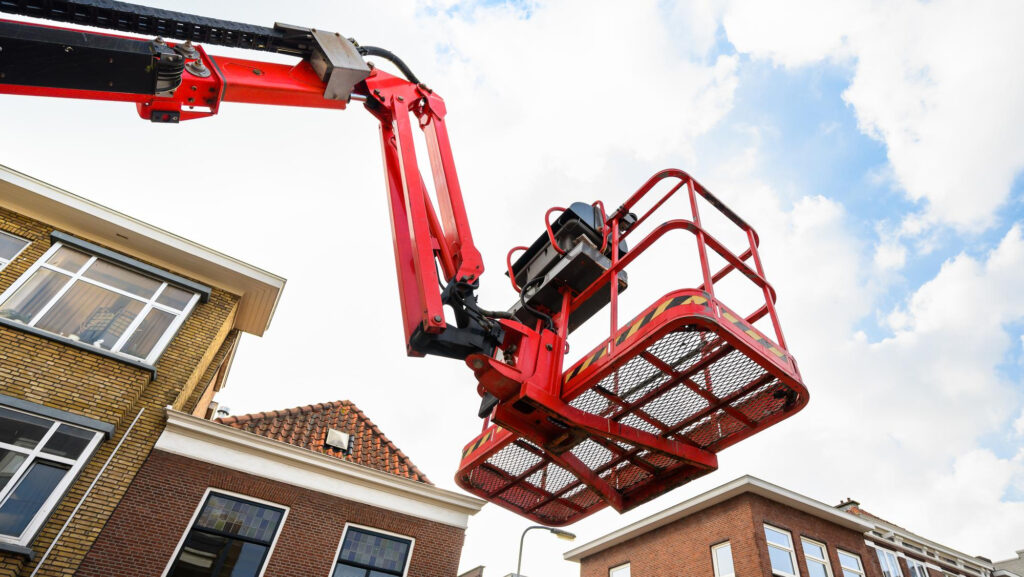
A crane lift puts a suspended load over a sidewalk, a facade, a terrace, and sometimes a neighbor’s roof, and the protection that matters is decided days before the machine arrives. Property damage on these jobs rarely traces back to the moment of the pick. It traces back to a setup that was planned on assumptions instead of measurements.
Our crews at Up N Go Moving & Storage run crane lifts across Manhattan at a flat fee, with the protection work, the rigging, and the interior staging all inside the quoted price. Nothing about safety is an add-on line that can be declined to bring a number down, because the parts that protect a building are the same parts that make the lift possible.
Where Crane Damage Starts on a Manhattan Job
Damage on a city lift tends to begin at the ground, not in the air. Outriggers concentrate enormous point loads into a small footprint, and Manhattan sidewalks sit above vaults, cellar extensions, transformer rooms, and utility runs that were never rated for that kind of pressure.
A setup placed by eye rather than by engineered pad loading can crack a sidewalk slab or stress a vault roof without anyone noticing until later.
The second common origin is the building envelope. Items large enough to need a crane usually enter through a window opening, a terrace door, or a removed sash, and that opening becomes the tightest tolerance on the job.
Frames get scarred, sills get chipped, and brickwork gets scuffed when the approach path is improvised at height. Reviewing how our crane moving service works before booking tells you whether the provider treats that opening as an engineering problem or as something to solve on the day.
What a Proper Lift Plan Controls Before Anyone Lifts
An engineered lift plan is the document that turns a crane job from an intention into a controlled operation. It fixes the crane position, the boom configuration, the pick radius, the load chart margin, and the ground bearing pressure under each outrigger pad.
Those numbers are not formalities. They determine whether the machine can perform the pick at all from the only position the street allows.
The plan also sets the sequence. It establishes where the load is rigged, how it is oriented through the lift, where it pauses, and who controls the approach into the opening.
A plan that accounts for wind limits and a stop threshold keeps a judgment call from happening under pressure with a sofa hanging four floors up. Planning depth, rather than the size of the machine, is what separates a controlled lift from an improvised one.
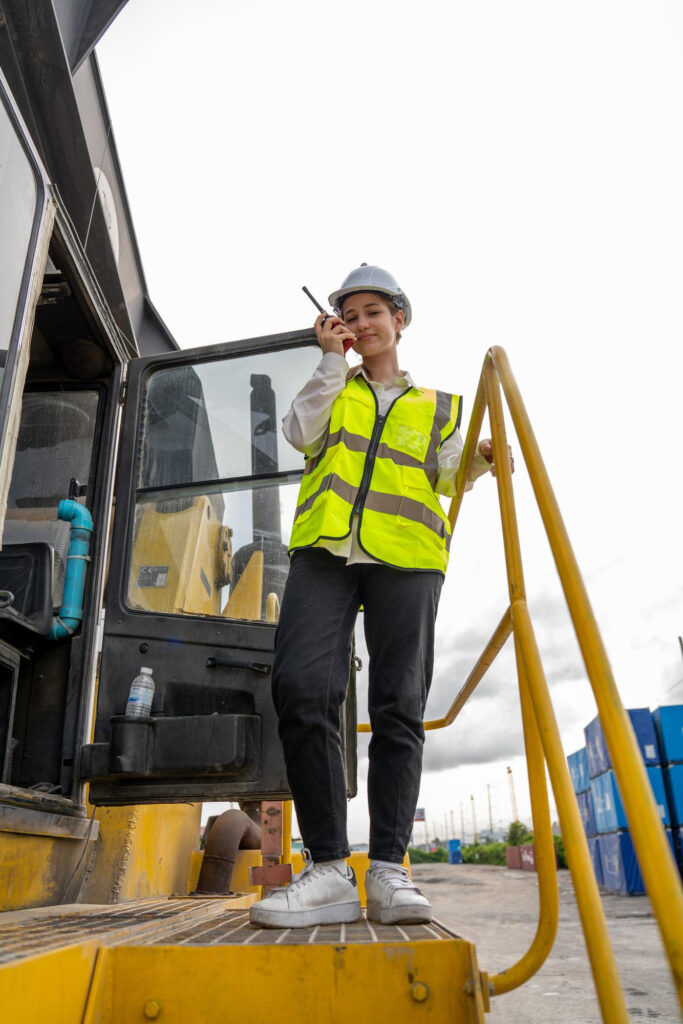
Before the machine arrives, a complete protection package for a Manhattan building typically includes:
- Pad and mat systems sized to the engineered bearing pressure under every outrigger
- Sidewalk and pedestrian routing that keeps foot traffic outside the swing path
- Facade, sill, and frame protection at the entry opening, installed before rigging begins
- Floor and corridor protection on the interior run to the final placement
- Exclusion zones and a spotter arrangement agreed with building staff in advance
Rigging, Load Control, and the People Holding the Lines
Rigging is where a lift is either controlled or merely attempted. Slings, shackles, and spreader bars are selected against the actual weight and geometry of the piece, with the rated capacity checked rather than assumed, and the hardware inspected before use.
A marble slab, a commercial safe, a grand piano, and an oversized sectional each demand different attachment points and different load distribution, and treating them alike is how finishes get crushed at the pick point.
Control of the load through the air comes from tag lines and from people who know when to use them. Manhattan buildings generate their own wind behavior at height, with channeling between towers and sudden gusts along avenues, and a swinging load near a facade is the scenario every protocol exists to prevent.
Our three-person crews split the work deliberately, with the crane operator, the rigging supervisor, and the receiving team each owning one part of the handoff rather than everyone improvising at once. The same discipline applies when we handle crane moving for heavy equipment on commercial jobs.
Have a piece that cannot take the stairs or fit the freight elevator? Send us photos, dimensions, and the building address, and we will scope the lift and return a flat-fee price.
The Protocols That Protect Neighbors and Shared Property
A lift in this city is rarely contained to one address. Scaffolding on an adjacent building, a neighbor’s terrace, a shared party wall, and parked vehicles along the curb all sit inside the risk picture, and owners are often surprised to learn their exposure extends past their own property line. Walking the block before the job is scheduled identifies what needs to be moved, covered, or coordinated.
Coordination with building management carries equal weight. Co-op and condo boards usually require notice, insurance documentation naming specific parties, and agreement on hours before any equipment arrives.
Where a lift passes near transit infrastructure or a protected street, additional approvals apply and cannot be arranged the morning of. Confirming all of it in writing ahead of time keeps the job from being stopped by a superintendent who heard about it last.
Questions Worth Asking Any Crane Provider Before You Book
The quickest way to judge a crane provider is to ask about the parts of the job that happen before the lift. Ask who prepares the engineered plan and whether that person is independent of the crane owner. Ask what the outrigger loading figure is and what pads are being used to spread it. Ask what the wind threshold is and who has authority to stop.
Owners weighing crane lifts compared with traditional methods should push on these points before choosing either route, since the answers reveal how much planning sits behind the quote.
Ask practical questions about the opening too. Confirm who removes and reinstalls a window sash if one has to come out, who protects the frame, and who is responsible if the piece does not clear the measured aperture.
A provider who answers those cleanly has done the survey. A provider who defers them to the day of the lift is planning to find out on site, and that is precisely when a building gets damaged.
Book the survey before you book the date. We will measure the opening, assess the setup, scope the protection, and give you one flat-fee price covering the crane, the rigging, the crew, and the placement at the other end. Call (212) 744-6683, Monday to Friday 9 am to 9 pm EST or Saturday and Sunday 9 am to 5 pm EST.
Related Topics: